

Rollator Walker
Add a review FollowOverview
-
Founded Date септември 28, 1962
-
Sectors Transportation
-
Posted Jobs 0
-
Viewed 12
Company Description
9 Things Your Parents Taught You About Reliable Walker
The Reliable Walker: Choosing the Right Mobility Aid for Your Needs
In an ever-evolving world where mobility obstacles can emerge for numerous reasons, a reliable walker can substantially boost a person’s lifestyle. Individuals searching for independence in their motion discover that a walker, often referred to as a walking aid, plays an essential function in their day-to-day activities, whether they are recovering from surgery, dealing with chronic pain, or experiencing age-related mobility concerns.
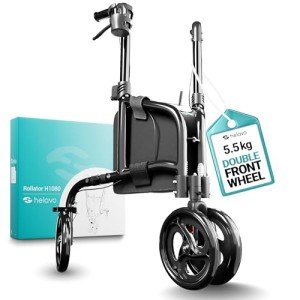
In this blog site post, we will go over the importance of a Reliable Rollator Walker walker, the different types offered, how to choose the best one for your requirements, and some frequently asked concerns.
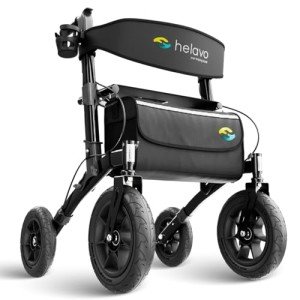
Understanding Walkers
Walkers are mobility gadgets that aid people with walking troubles. They provide stability and support, helping to prevent falls and improving confidence when navigating.
Kinds of Walkers
There are several types of walkers available, and comprehending the differences can help you make an educated choice. Below is a table summarizing the main kinds of walkers.
| Kind of Walker | Description | Benefits | Drawbacks |
|---|---|---|---|
| Standard Walker | A standard walker without wheels, needing users to raise it to move. | Supplies optimum stability; easy design. | Can be cumbersome; less maneuverable. |
| Two-Wheeled Walker | Equipped with two wheels at the front for simpler movement. | Much easier to move; more lightweight. | Less stable than a standard walker. |
| Four-Wheeled Walker | A wheeled walker with four wheels, often with a seat and hand brakes. | Extremely maneuverable; ideal for outdoor use; stability with seating. | Requires some upper body strength to operate the brakes. |
| Rollator | A four-wheeled walker with a seat and storage area. | Suitable for longer ranges; comfortable seating choice. | Less stability than standard walkers; can be more expensive. |
| Hemi Walker | Designed for those who can utilize just one hand or lower limb. | Helpful for one-handed support; lightweight. | Might not supply as much support as traditional options. |
Key Factors to Consider When Choosing a Walker
Picking the right walker is essential for security and independence. Here are some key factors to consider:
1. User’s Physical Condition
- Assess the user’s balance, strength, and variety of movement. Some users may need more support and stability, while others might prefer something lighter and more mobile.
2. Intended Use
- Think about where the walker will mostly be used– indoors, outdoors, or both. Walkers created for outdoor usage typically include bigger wheels.
3. Weight Capacity
- Ensure that the walker can support the user’s weight. The majority of walkers come with weight capability requirements, generally ranging from 250 to 500 pounds.
4. Adjustability
- Search for a walker that can be changed in height to make sure correct posture and comfort while walking.
5. Additional Features
- Many walkers included features such as brakes, seats, baskets, and even integrated lights. Examine which features are needed for the user’s requirements.
6. Aesthetic appeals
- While performance is crucial, lots of modern walkers are designed with aesthetics in mind. Pick one that the user feels excellent about utilizing.
The Benefits of a Reliable Walker
Utilizing a reliable Senior Walker has a number of benefits, consisting of:
- Increased Independence: Users can move by themselves without relying heavily on others for support.
- Improved Confidence: A stable walker gives users the security they need to move freely, decreasing the worry of falling.
- Improved Stability: Walkers substantially boost balance, specifically for those with mobility impairments.
- Enhanced Quality of Life: With improved mobility, users can engage more actively in social, leisure, and everyday activities.
Often Asked Questions (FAQ)
1. How do I know if I need a walker?
If you find walking to be difficult, experience regular falls, have just recently had surgery, or have persistent conditions affecting your Advanced Mobility Aid, it might be time to consider a walker.
2. Can I use a walker on outdoor surfaces?
Yes, however consider getting a four-wheeled walker or a rollator designed particularly for outdoor surfaces, as they generally have larger wheels for much better maneuverability.
3. How can I change my walker for the very best fit?
The majority of walkers have height-adjustable legs. Stand in your shoes, and with your arms relaxed at your sides, the top of the walker should be at wrist level.
4. How do I maintain my walker?
Regularly examine the walker for any loose screws or parts, guarantee the wheels are moving smoothly, and tidy it periodically to keep its condition.
5. How can I construct my confidence while using a walker?
Start using the Shopping Walker in familiar and safe environments. Gradually increase the intricacy of your environments as you become more comfortable.
In conclusion, a reliable walker is not just a mobility aid; it’s a means to greater independence, security, and enhanced lifestyle. Understanding the kinds of walkers readily available and examining personal requirements can assist people make notified choices. Whether it’s a standard walker or a modern Sleek Rollator Design, the best devices cultivates self-reliance and confidence in mobility.
If you or a loved one deals with mobility difficulties, think about investing in a walker that satisfies individual needs, improves mobility, and ultimately, enhances daily living. With the right option, users can take back control of their movement, fostering a more active and satisfying life.