

Top-Rated Rollator
Add a review FollowOverview
-
Founded Date септември 20, 1982
-
Sectors Animation
-
Posted Jobs 0
-
Viewed 2
Company Description
It’s Time To Expand Your Ergonomic Walker Options
The Benefits of Non-Slip Walkers: Enhancing Mobility and Safety for All
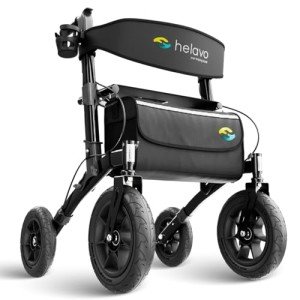
As we browse through the diverse landscape of mobility aids, one important item sticks out: the non-slip walker. This vital tool not just aids those with restricted mobility but likewise promotes self-reliance and safety. In this blog post, we will explore the advantages of non-slip walkers, the various types available, and what features to try to find when choosing the ideal walker. Along the way, we will address frequently asked concerns and supply insights that boost understanding of this important mobility accessory.
Why Choose a Non-Slip Walker?
Non-slip walkers are specifically created with safety in mind. Slips and falls can trigger severe injuries, specifically for elderly people or those recuperating from surgery. Integrating anti-slip features into a Easy Maneuver Walker can drastically decrease the risk of mishaps, making it an important option for anybody in requirement of assistance. Here are a couple of reasons a non-slip walker is a deserving financial investment:
- Enhanced Stability: Non-slip grips and rubberized wheels provide remarkable traction on numerous surfaces.
- Improved Safety: The design minimizes the possibility of slips, offering users self-confidence as they move.
- Increased Independence: Those who might have previously depended on caregivers can gain back some degree of autonomy.
- Versatile Design: Non-slip walkers can be customized to fit a series of individual requirements and choices.
Kinds Of Non-Slip Walkers
Non-slip walkers can be found in several styles, each customized to accommodate different mobility needs. Below is a comparison table highlighting the most common types of non-slip walkers offered:
| Type of Walker | Features | Ideal For | Cost Range |
|---|---|---|---|
| Requirement Walker | Four legs, lightweight, rubber suggestions | General usage, moderate assistance | ₤ 50 – ₤ 100 |
| Two-Wheeled Walker | 2 front wheels, 2 rear legs with rubber ideas | Individuals who need assistance however can walk | ₤ 70 – ₤ 150 |
| Rollator | Four wheels, braking system, seat option | Active individuals; provides a rest option | ₤ 100 – ₤ 250 |
| Knee Walker | Created for people with knee injuries | Short-term recovery from leg or foot injuries | ₤ 80 – ₤ 200 |
| Pediatric Walker | Smaller sized size, vibrant designs | Kids with mobility concerns | ₤ 60 – ₤ 120 |
Elements to Consider When Choosing a Non-Slip Walker
Picking the ideal non-slip walker can be an overwhelming job. Here are some aspects to remember when making a decision:
- User’s Weight and Height: Ensure that the walker supports the user’s weight and fits their height.
- Kind of Surface: Consider where the walker will be primarily used (inside vs. outdoors) to pick an ideal tire setup.
- Portability and Weight: If the walker requires to be transferred, think about weight and foldability for convenience.
- Adjustability: Look for a walker that can be changed to the user’s specific height requirements, guaranteeing convenience and security.
- Additional Features: Some walkers consist of features such as integrated seats, storage baskets, or more Advanced Mobility Solution braking systems.
Additional Features of Non-Slip Walkers
While taking a look at non-slip walkers, a number of additional features can improve user experience:
- Ergonomic Grip Handles: Soft and comfortable grips can decrease strain on the hands.
- Reflective Materials: Adding increased exposure can help those who may be using the walker in low-light conditions.
- Personalized Accessories: Consider alternatives like cup holders, trays, or even oxygen tank holders for added convenience.
- Toughness: Look for walkers built from high-quality products to guarantee lasting use.
Regularly Asked Questions (FAQs)
1. What is the main difference between a basic walker and a rollator?
- A standard Durable Walker has four legs and requires the user to raise it with each action, whereas a rollator has wheels, allowing the user to push it along more easily.
2. Are non-slip walkers appropriate for outdoor usage?
- Yes, lots of non-slip walkers are created for various surface areas. It’s essential to pick a model with appropriate wheels for outdoor surface.
3. Can a non-slip Stable Walker be utilized by individuals who have had hip or knee surgical treatment?
- Definitely. Non-slip walkers provide stability and can be necessary for those recuperating from such surgeries.
4. How do I change the height of a walker?
- Many walkers include adjustable legs that enable you to alter the height. Refer to the maker’s guidelines for specific modification instructions.
5. Is there a weight limitation for non-slip walkers?
- Yes, each walker has a specified weight limit. It is essential to thoroughly examine this information before purchasing to guarantee safety.
6. Can I utilize a non-slip walker in shops or public locations?
- Yes, non-slip walkers are designed for use in different environments. Simply ensure the design you select is maneuverable enough for confined areas.
Purchasing a non-slip walker can offer users with enhanced mobility, self-confidence, and independence. The range of styles and features available enables users to select a walker that best fits their unique requirements. By thinking about elements such as weight capacity, adjustability, and additional features, one can make sure that they or their loved ones are safe and comfortable.
For those seeking to regain their independence, non-slip walkers not only aid in mobility however also add to a more active lifestyle. If you or somebody you understand might benefit from a non-slip walker, put in the time to explore the options offered– your journey towards increased safety and autonomy begins here!